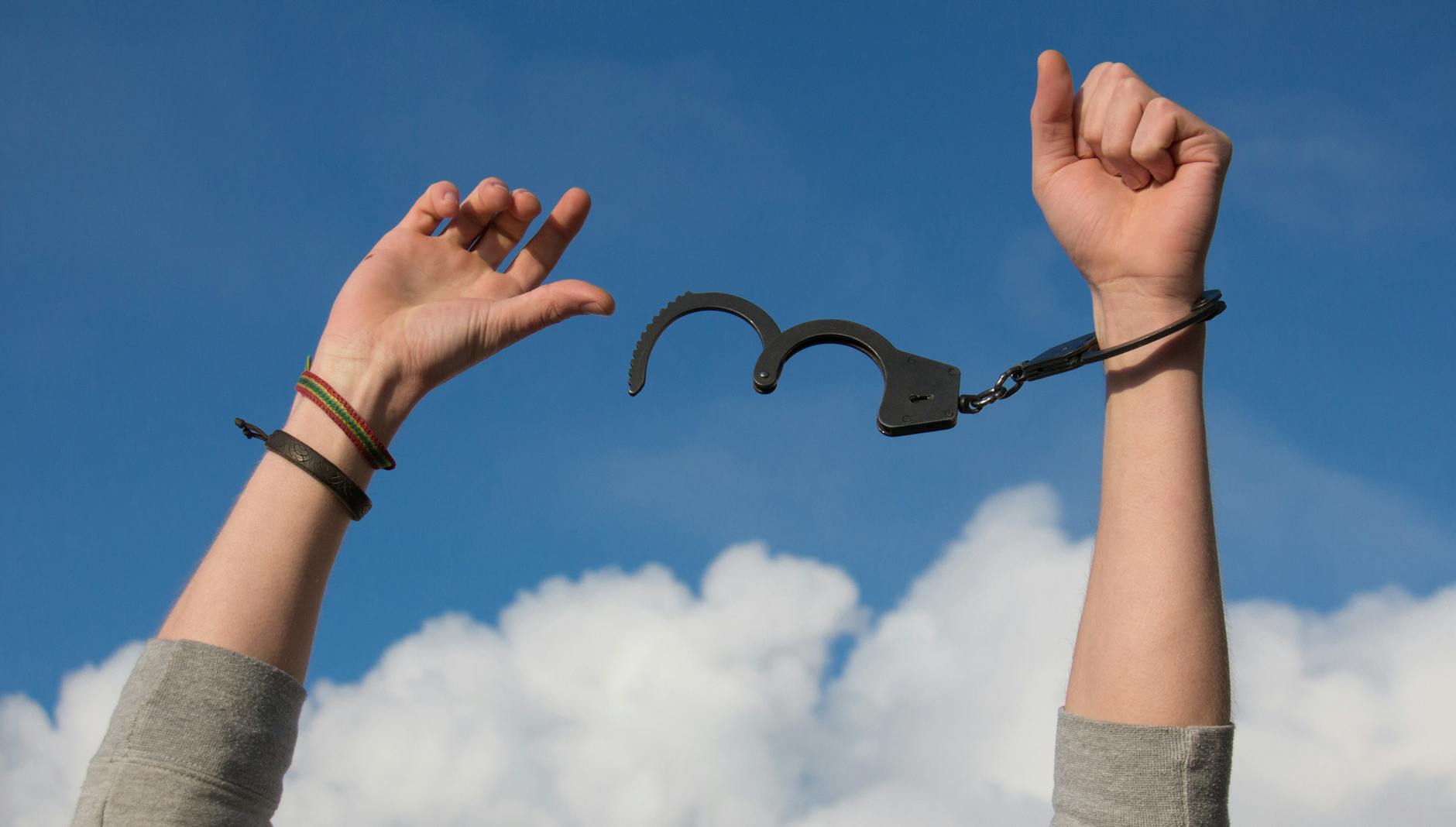
Not everyone who loses money loses their life.
But most people lose themselves the moment they tie their worth to what they own.
The Fall That Revealed Everything
Diogenes the Cynic was not born poor.
On the contrary, he was born into wealth and status.
His father was responsible for minting the currency in his city.
Money was present.
Social standing was present.
The path to a “respectable” life—as defined by society—was wide open.
Then he lost everything.
Accounts differ. Some say his father was involved in currency fraud.
Others speak of a political scandal.
But the result was the same:
Diogenes was exiled.
His social name collapsed.
Everything that grants a person “value” in the eyes of others vanished.
Losing Everything — or Losing Yourself
Many people, when they lose money, lose themselves.
Diogenes did the opposite.
He stopped chasing replacement—and began to observe.
He noticed something simple yet unsettling:
people who possess wealth do not appear free.
They fear it.
They guard it.
They bargain with it.
They alter their principles because of it.
Money did not add anything essential to them.
It took something fundamental away:
Sovereignty over the self.
Staying With Emptiness
Diogenes did not suddenly become free.
Like anyone who loses everything, he passed through emptiness and confusion.
But instead of rushing to rebuild what he had lost, he stayed with the emptiness.
And there, he asked himself a dangerous question:
“What remains of me if I strip away everything I borrowed from the outside?”
At first, the answer was frightening.
Almost nothing.
But from that very nothing, he began to build a self that did not borrow its value from any external source.
A Life Not Organized Around Need
Over time, Diogenes no longer saw money as security, but as restraint.
The more a person needs, the easier they are to control.
So he made a radical decision:
He would not live a life organized around need.
No house.
No possessions.
No obligations that would force him to surrender his voice.
He lived in a barrel—not because he had no shelter,
but because he chose the smallest possible space
so he would not have to serve anything.
He ate little.
Owned little.
Spoke often—but honestly.
“Stand Out of My Sunlight”
When Alexander the Great stood before him and said:
“Ask me for anything you wish.”
Diogenes did not answer with poetry or philosophy.
He said something entirely practical:
“Stand out of my sunlight.”
It wasn’t a performance.
It was clarity.
Even the greatest power of that era had nothing to offer him.
Because whoever needs nothing cannot be bought.
Why This Story Still Matters
Today, we no longer face emperors with swords.
We face new idols: public opinion,
social comparison,
packaged success.
And we are no freer than Diogenes unless we stop waiting for their approval—
unless we quietly refuse to live on their terms.
Diogenes did not hate money.
He hated dependence.
His renunciation was not the goal—it was the method.
The goal was sovereignty over the self.
The Real Problem Is Need
True detachment is not empty hands,
but a center that cannot be taken.
He understood something we often resist:
The problem is not what you own.
The problem is what you need in order to feel okay.
If you need money to feel respected — you will submit.
If you need people to feel seen — you will compromise.
If you need a relationship to feel safe — you will abandon yourself.
Diogenes did not become free because he lost money,
but because he refused to rebuild his life around need.
Where Safety Lives
The pattern repeats throughout history.
Some lose everything and collapse—not because loss itself is fatal,
but because their sense of worth was tied entirely to what they lost.
When the external fell away, nothing internal remained to stand.
Others lose everything… and return transformed.
They rebuild their lives around a single principle:
“I will not tie my stability to anything that can be taken from me.”
The difference is not intelligence.
It is not luck.
It is the location of safety.
What Need Does to the Human Spirit
Why does need destroy more than lack?
Because need keeps you in a constant state of waiting—
waiting for money,
waiting for people,
waiting for opportunities,
waiting for recognition.
And prolonged waiting reshapes character.
It makes you:
Less brave
More fearful
More willing to compromise
Less honest with yourself
Not because you are weak—
but because you are protecting what you believe you need.
What Changes When You Need Less
You won’t be happy all the time.
You won’t become kinder.
You won’t be universally loved.
But you will become free.
Free to speak what you see.
Free to leave.
Free from the fear of loss—
because your self was never built on possession.
As Brené Brown writes:
“True belonging doesn’t require you to change who you are; it requires you to be who you are.”
The Core of It All
True poverty is not an empty hand,
but a self that knows its value only through what it owns.
True wealth begins when you stop believing you need something else to be complete.
Here is the core of it all:
What you need owns you.
What you let go of frees you.
That is why it is said:
“Whoever is independent, possesses—first and foremost, themselves.”
This story is not about a man who lived in a barrel.
It is about a human being who discovered
that real space is not measured in square meters,
but in a self that does not need permission to exist.
A Final Question
What remains of you when you let go of everything outside you?
That is the question that changes everything.
Explore more
If this spoke to you, you might also resonate with:
You might also resonate with:
Explore this next: