Fear doesn’t stop us because it’s strong,
but because it’s intelligent.
Intelligent enough to convince us that retreat is precaution, waiting is wisdom, and keeping doors open is a “backup plan.” In moments of decisive choice, fear doesn’t roar like a monster—it whispers like logic: “Leave a way back… just in case.”
That’s where real paralysis begins.
We give fear room to move—then act surprised when it takes the wheel.
The most dangerous fear is the one we don’t feel.
Not the fear that terrifies us, but the one we label normal or routine. We dress it in soft language: I’m realistic. I’m responsible. I don’t like unnecessary risks.
The truth is simpler: we choose the fear we know over the freedom we haven’t tested.
History keeps replaying the same scene.
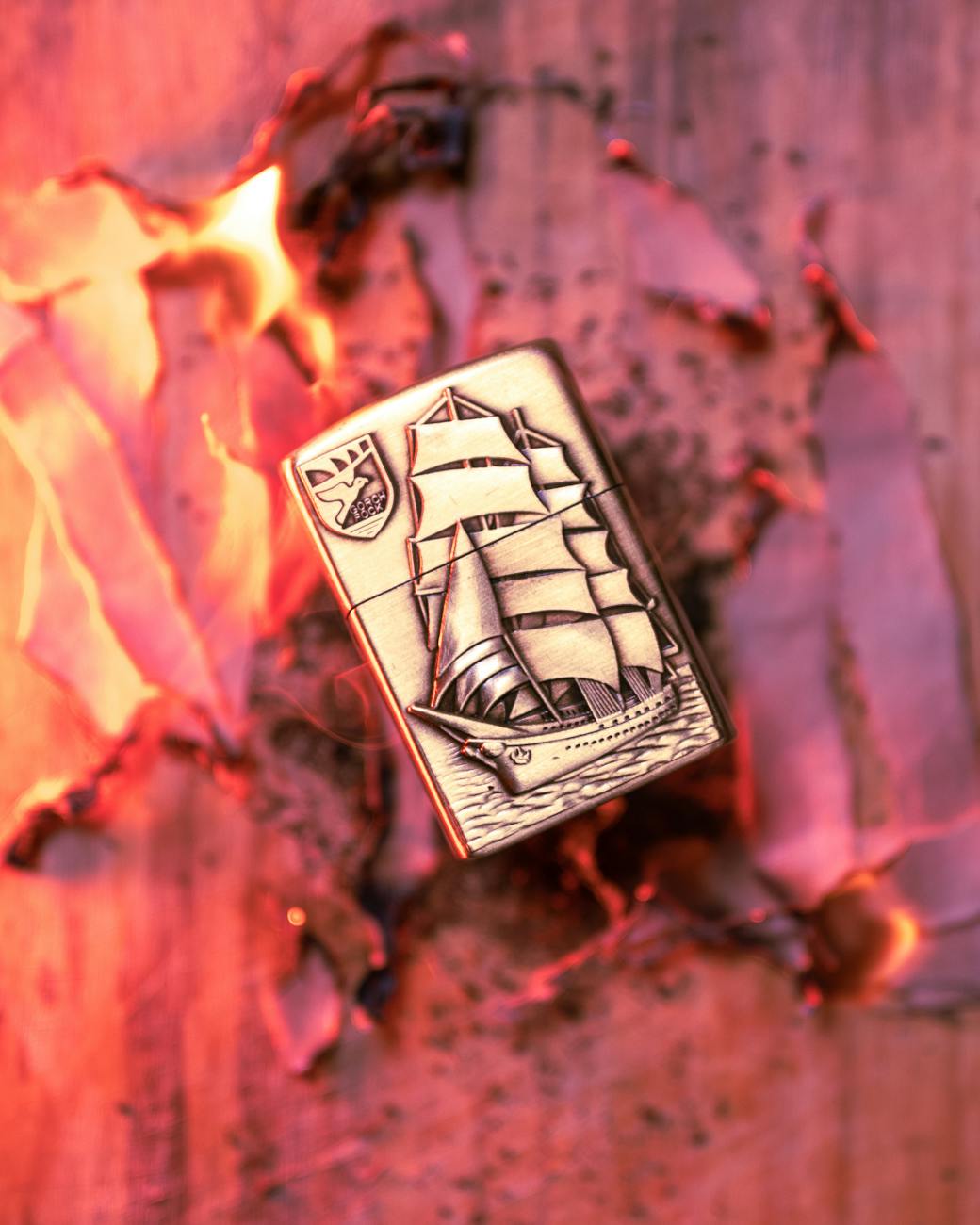
Tariq ibn Ziyad wasn’t just a commander who burned his ships. He turned despair into geography. Behind him: the sea. Ahead: an empire. Beside him: a weary army. The ships weren’t a way back—they were an escape hatch. By burning them, he transformed fear into solid ground his soldiers could fight on. The option itself was what burned.
Alexander the Great didn’t simply keep marching forward. When his army reached a river that marked the edge of the known world, they rebelled—not from hunger, but from comfort. Alexander didn’t burn ships; he burned the idea of “this is enough.”
Turning back, he told them, meant becoming less than who they were. They chose to lose their old selves—not what they had already become.
Picasso wasn’t chasing shock. His classical success had become a prison of expectations. Then he painted Les Demoiselles d’Avignon—a rebellion first against his own mastery. Critics mocked him. The market rejected him. He chose ridicule over decoration. He burned approval to free art.
The secret is the same in every story:
True fear isn’t what stands in front of you—it’s the option you leave behind.
The backup plan isn’t wisdom. It’s fear wearing the costume of caution.
Once the exit is gone, the mind stops negotiating.
Fear moves from the driver’s seat to the passenger’s seat.
History doesn’t change because people gain extraordinary courage.
It changes because they remove the option to return—realizing that possibility itself has become the real danger.
Protocol Summary
Courage isn’t the absence of fear.
It’s moving forward with fear—after closing every escape route.You act first.
You feel later.
You burn the ships—military or mental—not because fear disappears, but because it won’t leave until you move.
Then the inner debate ends. Comparisons collapse. Decision becomes motion.
Not because the road is easier—but because you’re no longer walking one step forward and one step back.
This is how you become who you’re meant to be:
By acting like the brave—until fear is behind you, the shore is burning, and when you look back it’s only to see how far you’ve come from the person who was afraid to move.
History doesn’t remember who was afraid.
It remembers who walked—while the shore behind them burned.
Explore more
- The Girl Who Never Grew Up: The Quiet Collapse of a Belief
- Why Does Waiting Hurt More Than Working? Science Reveals: Your Brain Doesn’t Distinguish Between Them
- The Point of No Return Protocol: Expose Your Fear — and Burn the Ships
- Everything You Lived Was Preparation
Suggested Reading
Explore the books behind Zenya Journal
Leave a Reply